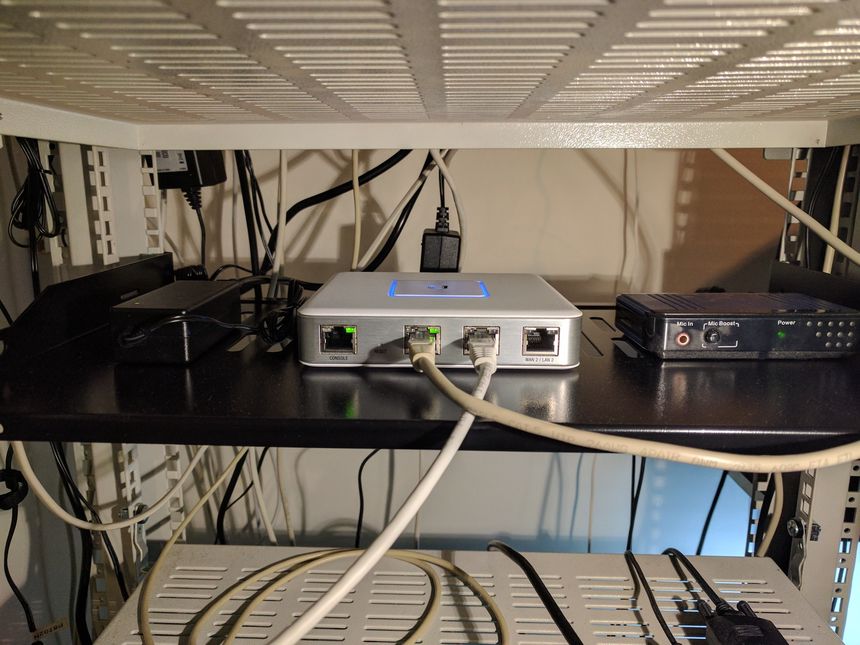
When watching a few Linus Tech Tips videos on YouTube, I noted that he mostly used UniFi wireless access points. So I started reading about this series of products, and it didn’t take long fore I realized that I had to have it. I was already looking to replace my current router, as I wanted the WiFi access point to be placed more central in the house. And that didn’t work with a combined router and WiFi device. In the end, I replaced all my network infrastructure 😛
Stacked Raspberry Pi boards, with common power supply
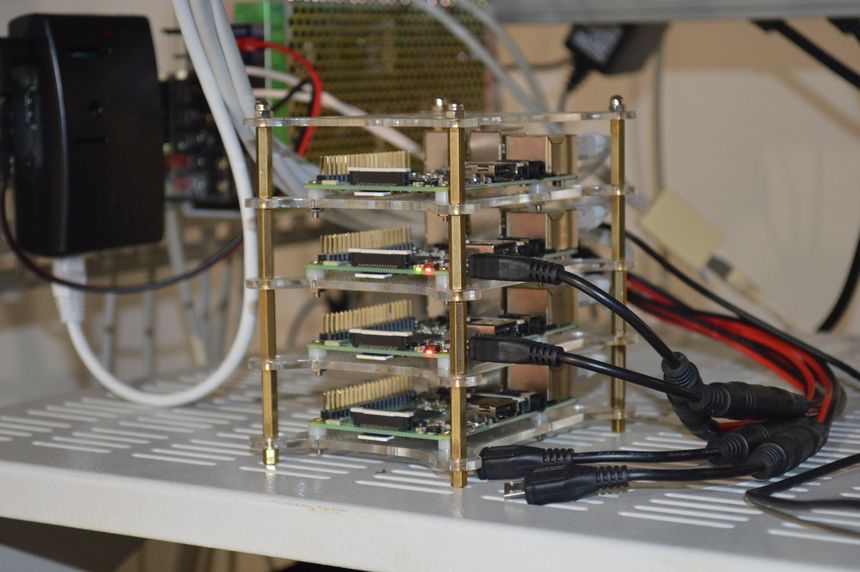
I mounted four Raspberry Pi 3’s in an acrylic stack frame, and used a 5V 20A DIN rail mounted power supply to drive them all.
Modifying a noisy SOS station kids toy
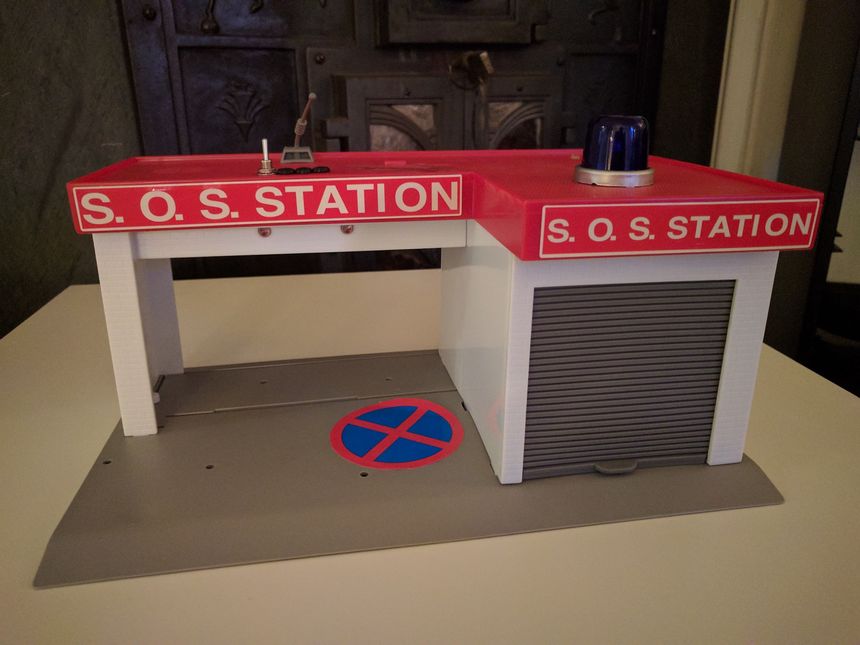
A while back my kids got this SOS station toy, it came with a few emergency cars and the boys quite liked it. My girl friend and myself however; hated it, it had a speaker and made a high siren sound and an annoying voice would shout things like “all cars respond”. So I modified it; ripped out the speaker and mounted a few LEDs instead, so now it flashes but no sound.
New ultrawide monitor and computer setup changes
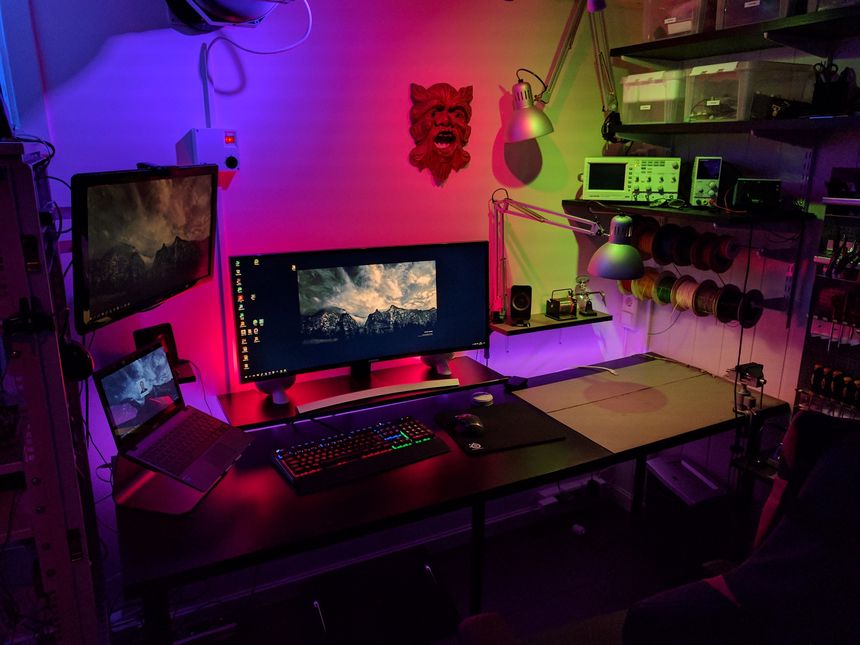
I’ve gotten myself one of those ultrawide curved monitors. I’ve wanted one for a long time, and I finally bought one; a Samsung 34". Since my desk is pretty shallow, and not that big really, I also wanted to free up some work surface by getting things on shelves. So I’ve been doing a bit of work on my computer setup.
Sticking a LED-strip behind my TV
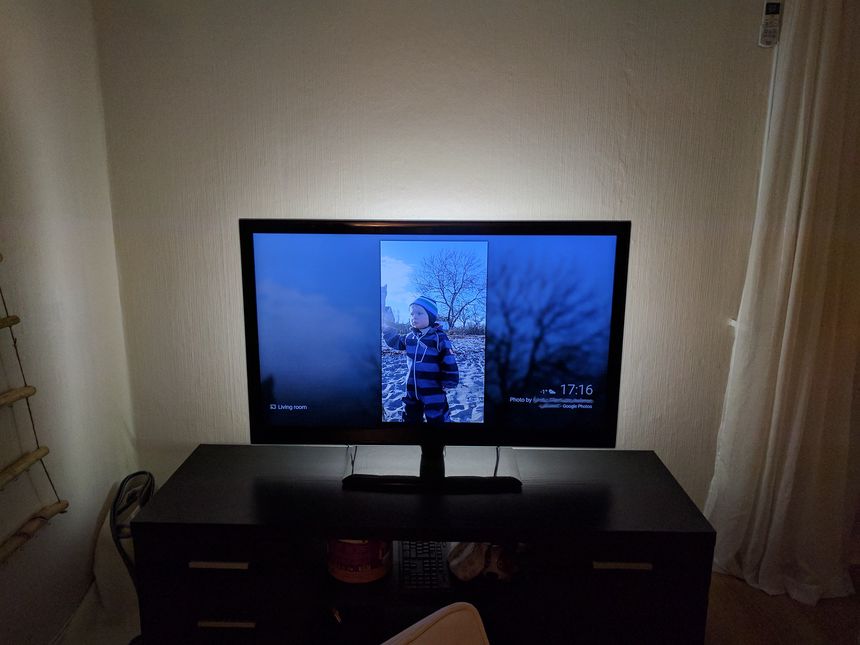
Bias lighting is, simply put, to light up the wall behind a monitor or TV. It creates a glow around the screen and, supposedly, creates a more comfortable and high contrast viewing experience. I made my bias lighting by merely sticking a LED-strip behind the TV.
Mounting blue emergency LEDs on kids’ walking car
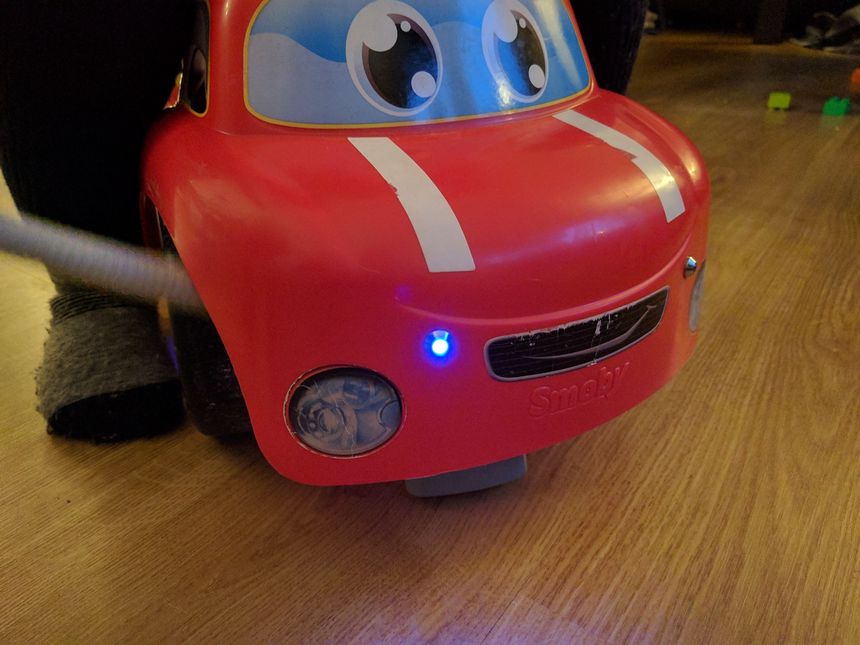
My two twin boys are pretty into Fireman Sam these days, so the red walking car they got when they were babies got an upgrade. Four blue self-flashing LEDs, a toggle switch and a 2xAA battery holder; everything bought cheap on eBay. And voila! A fire truck with blue emergency lights.
Putting LED lights in a IKEA play kitchen
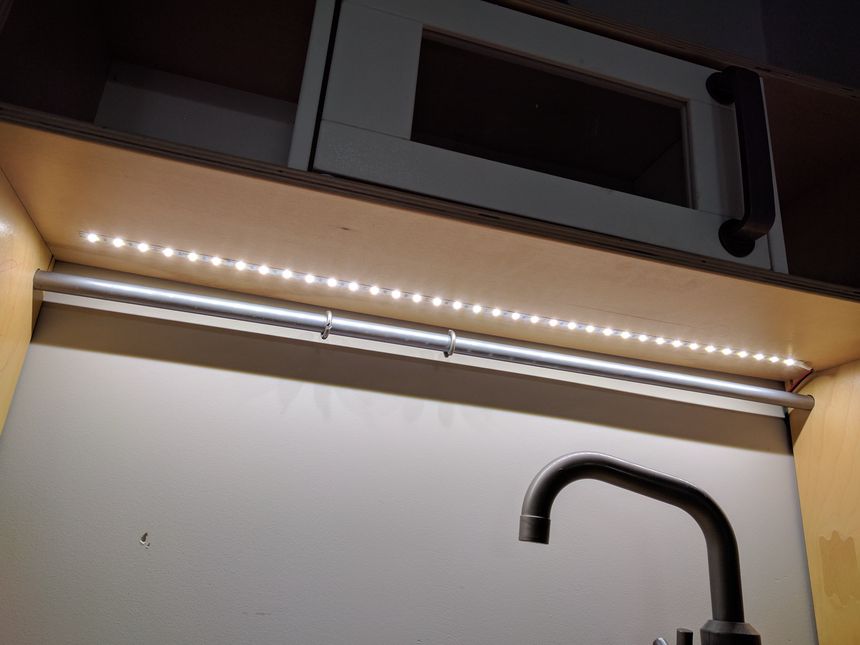
My nephew, and my twin boys, both have a Ikea play kitchen. It’s a pretty cool toy, with a microwave, oven, sink, cabinets and hot plates. The plates have LEDs so they turn red when turned on, just to make it a bit more real. But the play kitchen is even greater with some lights!
Replacing front LEDs on RC car
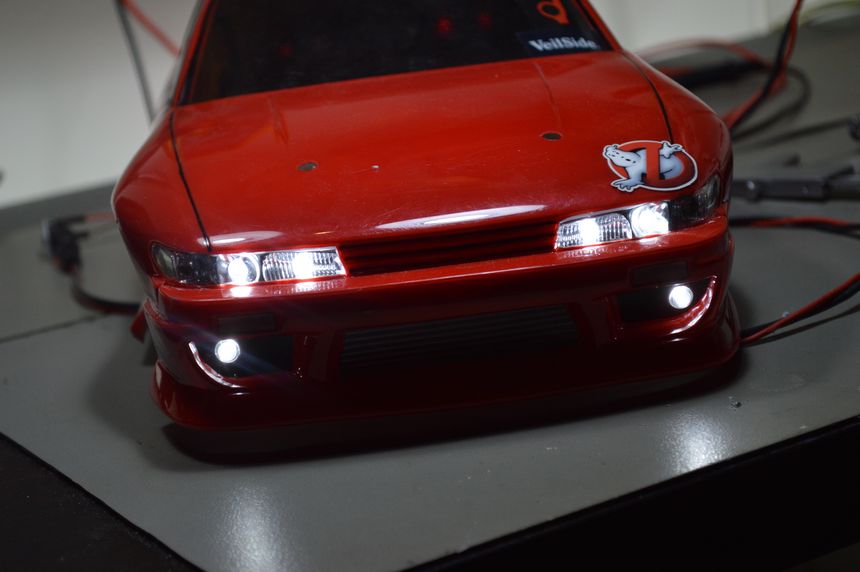
My brother-in-law is into RC car drifting, and a big part of that is of course to have a cool-looking car! He used a LED light kit, but the front lights were not that great. Very blueish and the intensity of the LEDs varied quite a bit.
So I replaced the LEDs and installed some fog lights, it ended up quite decent looking I think 🙂
Adding shelves, lights and a soldering station to my electronics workbench
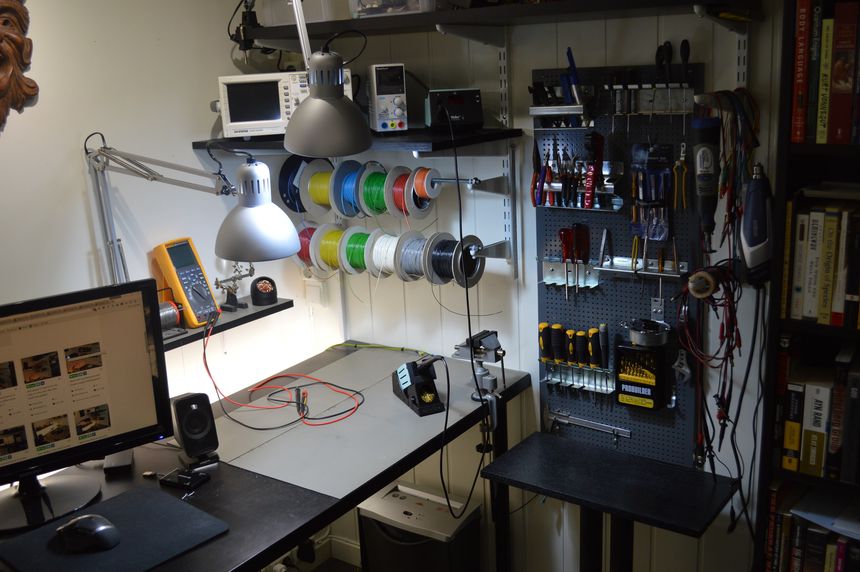
As I wrote in a previous post about my home office; our house isn’t huge, so I had to make the most of the office/man cave that I got. The electronics corner is pretty small, and a couple of things about it was annoying — like not having my instruments, e.g., oscilloscope and power supply, readily available. So I decided I needed to fix that!
Making a Lync status light
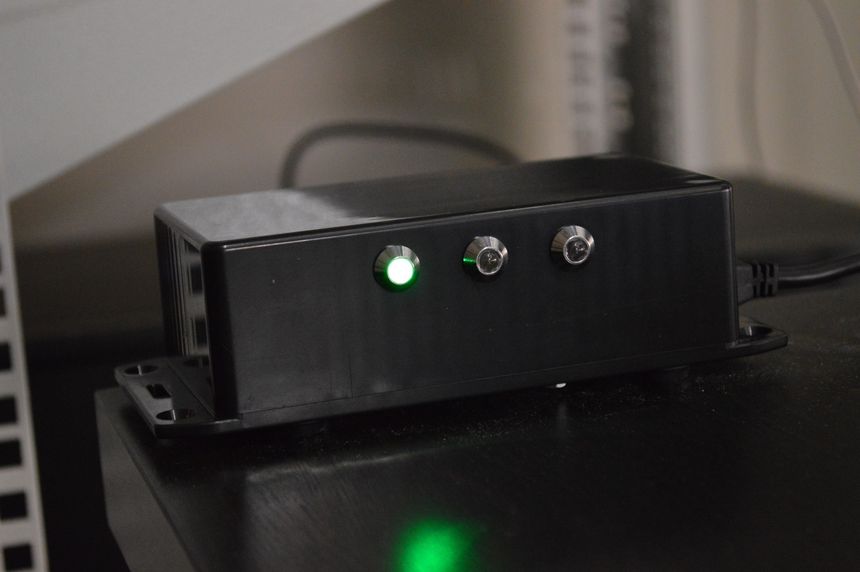
When I am at work, I use headphones; a lot. About half the time I am listening to music, the other half I am talking with someone on Lync (Skype for Business). That made it difficult for my colleagues to know whether I am available or not, so I get interrupted when I’m on the phone. I needed a way to communicate my availability!