
In 2018 I changed platform for my website, a lot. This the third time; from self-made to Jekyll, to Ghost, and now to Hugo. With a lot of trial and error in between. Here is what happened.
Electronics lab (2019)
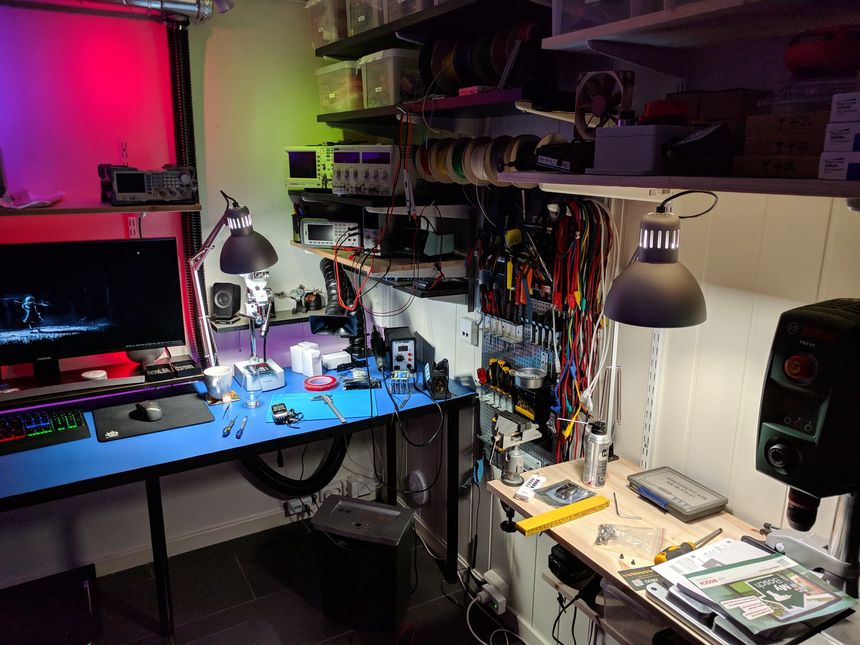
My electronics lab is tiny, so I’ve had to make the best of the space I do have. Soldering with fume extraction, instruments like an oscilloscope, function generator, bench power supplies.
Homelab (2019)
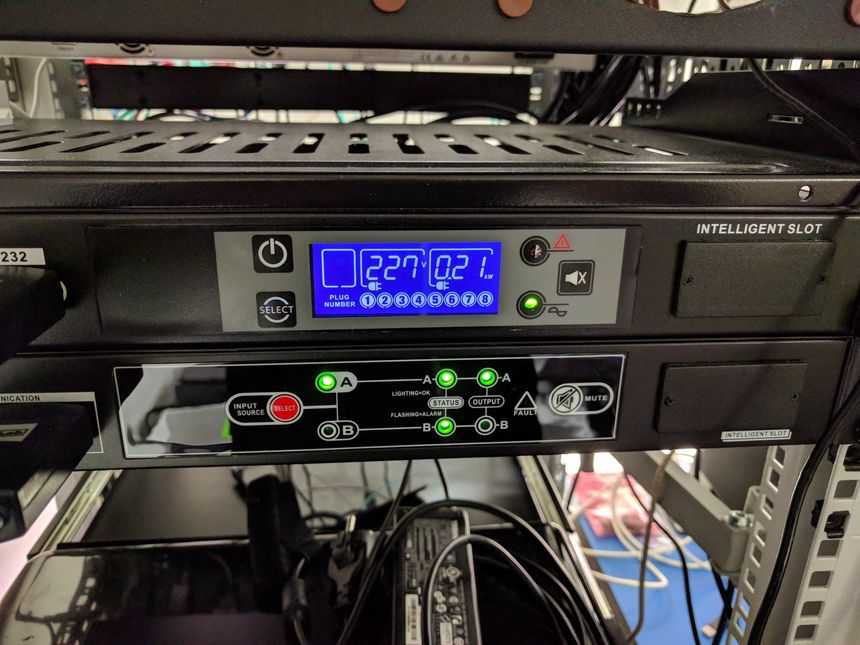
I’ve got a tiny computer lab at home; a 29U rack with servers, UPS, ATS, PDU, 10 Gbit networking, OPNsense, and all the cool stuff.
I made a garden playhouse for the kids — with LED lights

I built a garden playhouse, for the kids, and of course it needed some LED lights.
Rebuilding the exhaust ventilation
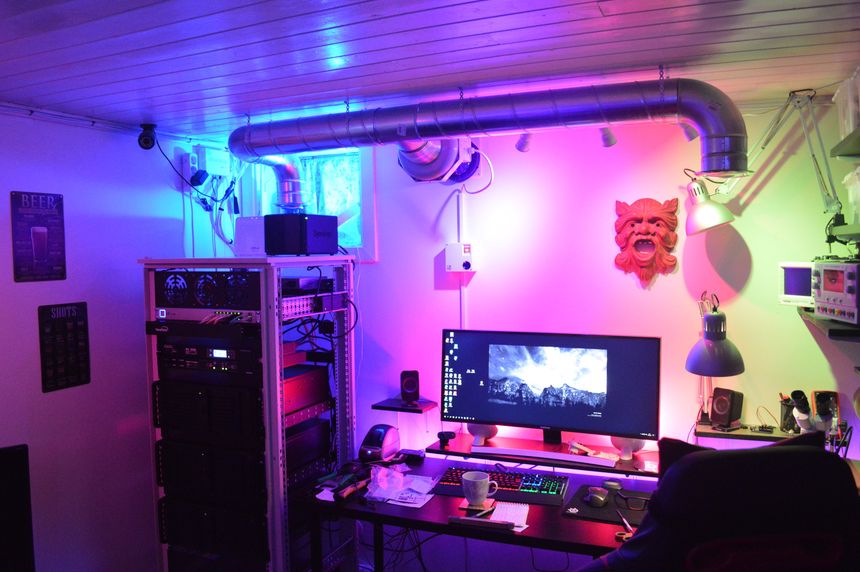
I used to smoke cigars in my home office, and the ventilation was pretty much set up for that. My duct fan was connected to an active carbon filter in the ceiling, to make sure the smoke would not be noticeable outside and leak back in when the bedroom windows were open in the summer months. That happened once, and the girlfriend did not approve.
Anyway; after I got the homelab properly set up, smoking cigars in the office just didn’t feel right… All that smoke drawn into the servers, heat-sinks, filters and so on. Never mind the lungs, think of the servers! So it was time to rebuild the exhaust ventilation system to better suit my new needs.
The homelab adventure begins!
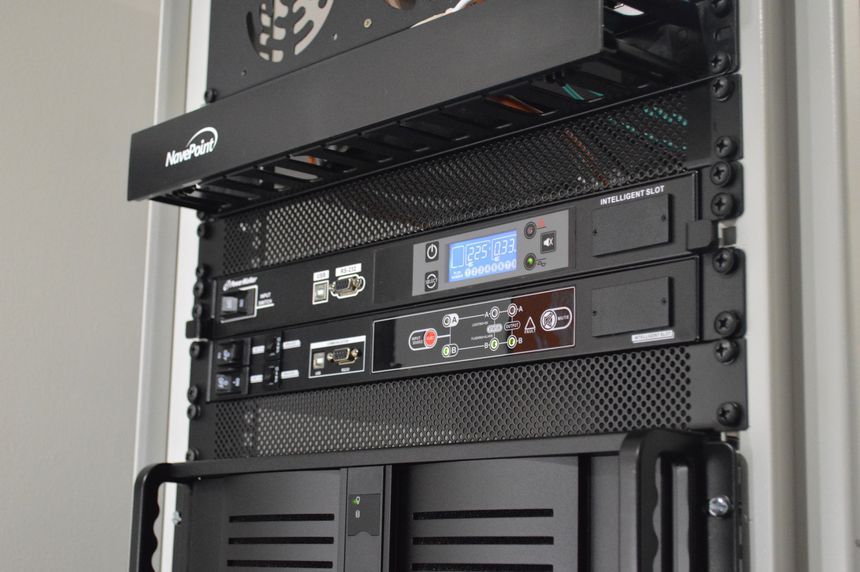
I first got the server rack back in 2011. At the time I lived alone in a house; I had a UPS, single server, a few cheap NAS’ and a switch in it. When I met my girlfriend, and we moved together about two years later the rack went into storage. And it stayed in storage until we bought our house late 2014, where we currently live. The rack was put to use in my home office in the basement, but not really utilized much. It’s only lately, and after I found /r/homelab, that the rack was truly put to use in my current homelab.
Putting flickering LEDs in christmas decoration
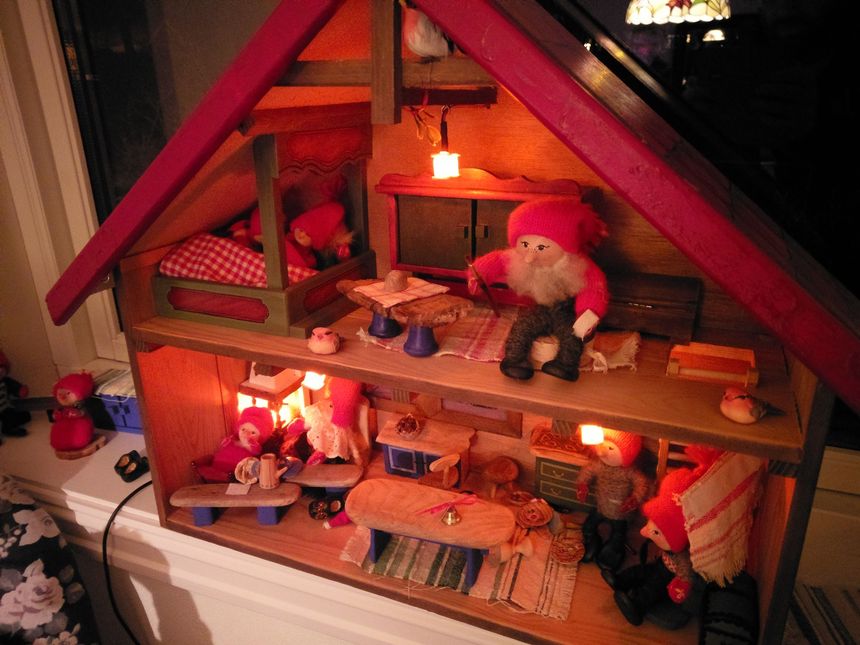
My mom has a miniature elf house that she takes out every Christmas, and it has become a tradition that all her grandkids partake in the elves moving in. She has tried to mount lights in it before, using a battery powered LED strip, but the lights turned out too bright, and the light was pretty cold. So I ordered some orange flickering candle-like LEDs from eBay and got to work 🙂
I got a bench power supply and another shelf for my electronics workbench
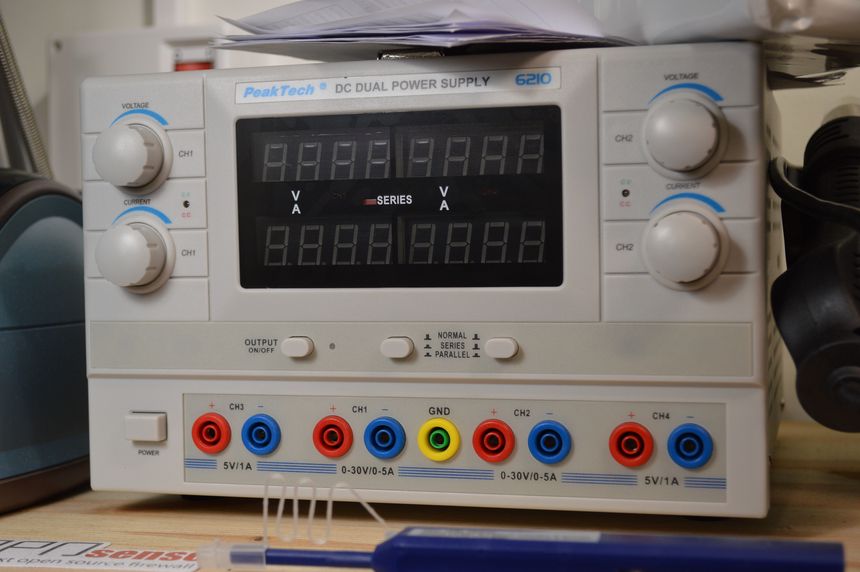
I really love the shelf rail system I have on the wall by the electronics lab; it distributes the load evenly over a large surface, and it’s incredibly easy to move things around and try out different solutions. By squeezing some of the existing shelves a bit closer and moving the wire rolls; I was able to fit yet another shelf 🙂
Making a WiFi MQTT controlled relay for Home Assistant
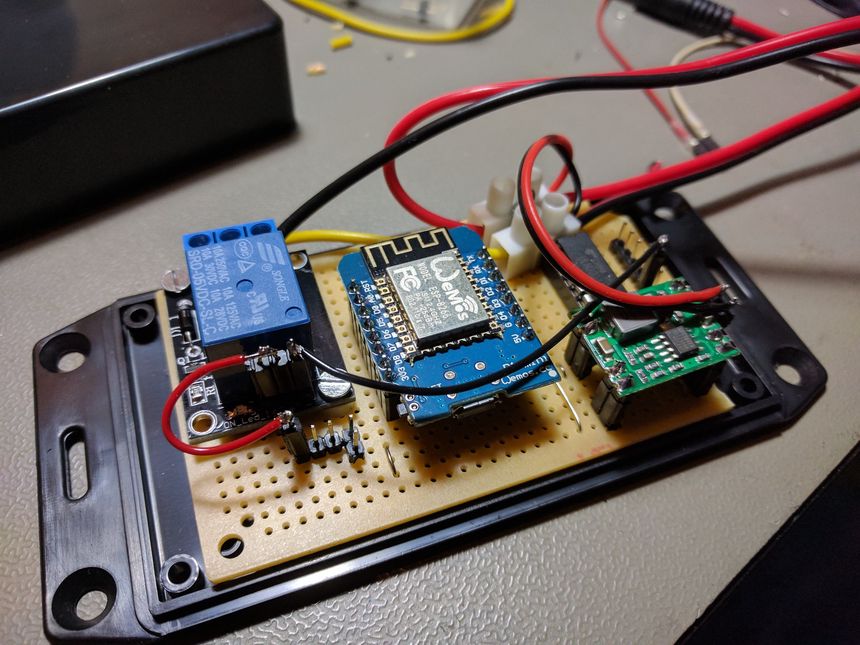
I’ve wanted to use an ESP8266 WiFi module in a project for some time now, and after reading about the WeMos board, I figured this was the easiest way to get started. The WeMos D1 mini is quite small and much easier to interact with and program than the ESP8266 devices. So I built this single relay controller, with internal temperature reporting. I am communicating with it using MQTT, which makes it really easy to implement it into things like Home Assistant.
Getting the Raspberry Pi ready for IoT
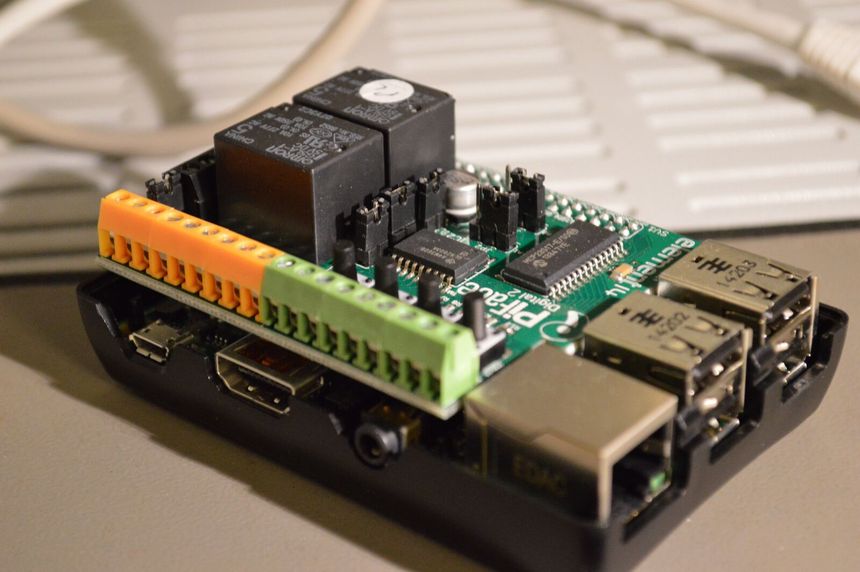
There are a few things we need to do with the Raspberry Pi single-board computer before using it in IoT projects. Here is a short guide of what I typically do, mostly as a reminder to myself — but it might be of use to others as well 🙂 This article assumes that the Raspberry Pi will be headless, so no GUI.